Selecting Indian Slate Stone for Projects: From Sample Approval to Installation Planning
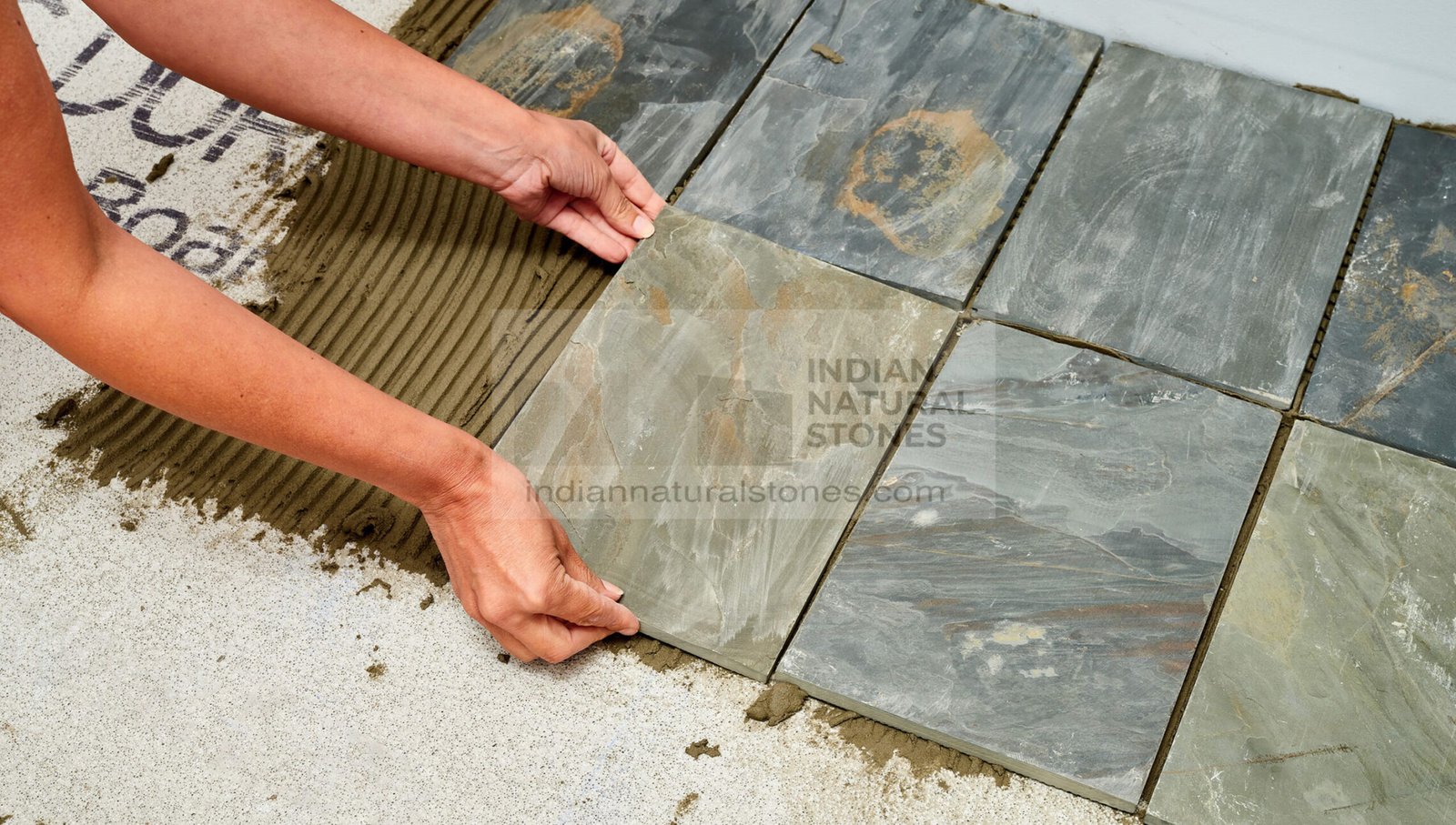
A slate sample can look impressive on a desk, yet raise different questions when a larger quantity of the stone arrives in several crates. Will the different shades combine naturally across an extensive floor? Are the thickness differences manageable? Is the surface appropriate for its planned location? For importers, distributors and project buyers, such practical considerations are just as important as visual appeal. Making a successful Indian slate selection involves specifying what the delivered shipment must include ahead of the production process.
Indian slate offers varied colours, layered textures and formats for architectural and landscaping work. Nevertheless, the commercial product name does not communicate every detail a purchaser needs. A well-defined buying specification links visual expectations with measurements, anticipated performance, packing arrangements and installation needs. This approach helps buyers assess a slate stone exporter in India through the quality of the proposed supply arrangement, rather than relying on broad promotional claims.
Begin by Assessing the Conditions the Stone Will Encounter
The first purchasing decision should concern the application. A decorative indoor wall, a busy entrance and an exposed garden path create distinct performance demands for the stone. Even if the preferred shade remains the same, the appropriate thickness, finish and acceptance criteria may differ. It is important for buyers to identify whether the material will encounter continuous pedestrian use, recurring moisture, external weather conditions or regular cleaning.
The supporting construction also matters. Installing stone over an existing prepared floor involves different considerations from pieces fixed vertically. Roofing applications involve additional technical demands that must be considered through a specialised assessment. Similarly, material intended for pool surrounds must not be assumed appropriate for continuous underwater use. Providing details of the real operating conditions enables Indian slate stone manufacturers to propose a more relevant product specification while recognising issues that need further technical evaluation.
Check the Meaning Behind the Stone's Trading Name
Natural stone names often communicate colour, appearance or a recognised trading variety. They do not always provide a precise geological classification. Certain materials sold as part of Indian slate collections may also carry the commercial description of quartzite. For this reason, purchasers should confirm the actual material identity instead of believing that all products sharing a recognised name possess the same properties.
Commercial varieties including Deoli Green, Silver Shine, Silver Grey, Copper and Zeera Green can assist buyers in refining their preferred appearance. Additional varieties such as Indian Autumn, Jak Multicolour, Jak Black, Autumn Rustic and Multi Pink, broaden the available palette. Even so, buyers should relate the selected trading description to the material being supplied, accepted samples and applicable technical details. This is especially relevant when sourcing a replacement for previously installed stone or comparing quotations from different suppliers.
Approve the Full Colour Variation Rather Than a Single Sample
A single sample shows one expression of a natural material. A single piece cannot consistently reflect every colour variation, natural marking or surface detail within a bulk order. For buyers selecting Indian slate stone tiles, a more useful approval process considers a selection of pieces showing the likely range of variations. Buyers can then judge whether subtle variation or stronger contrast suits the design.
The installation environment influences the appearance of natural variation. A limited feature-wall area can sometimes accommodate stronger differences in shade, while a continuous floor may require a more restrained blend. Sample pieces should be examined together in lighting that resembles the planned installation area. Where appropriate, checking the stone in dry and damp conditions may show how its colour depth changes. The accepted colour standard should reflect the variation considered suitable, including dark sections, lighter examples and distinctive surface markings that might change the appearance of the finished installation.
Make Dimensions and Thickness Part of the Same Decision
The size of individual tiles affects more than their decorative arrangement. They affect joint planning, cutting, handling together with the extent of on-site correction necessary during installation. Frequently available formats include square and rectangular pieces, although actual availability varies with the stone type and manufacturing process. Purchasers should verify the precise measurements being offered rather than treating a catalogue description as a complete specification.
The thickness of the material deserves equally detailed assessment. The buying specification should identify the stated thickness and acceptable tolerance, together with whether the underside will be calibrated. Calibration may make the installation process easier to organise consistently, although this does not necessarily produce an entirely level visible surface. A natural cleft finish continues to display its individual surface contours. Suppliers of slate flooring tiles should explain these differences precisely so installers can determine suitable bedding arrangements before the stone arrives.
Choose Surface Texture Around Everyday Use
Naturally split slate maintains the characteristic surface texture linked to the stone's layered composition. This can add character to floors, walls and landscaping, although the depth of the surface texture influences usability. A heavily textured face may affect the way dust and debris collect, influence furniture stability or feel less comfortable under bare feet. The best choice depends on how people will use the finished surface.
Honed surfaces, brushed finishes and other processing techniques provide alternative visual effects when the particular stone is suitable for those finishes. Purchasers should examine a physical sample showing the intended surface treatment, because a finish name alone cannot communicate the precise surface sensation. Surface texture by itself cannot confirm sufficient slip resistance. For wet or demanding areas, the relevant assessment should concern the specific stone, finish and expected conditions. Appearance and suitability belong in the same decision.
Approach Wall Cladding as a Complete Construction System
Slate stone wall cladding can introduce visual dimension using colour contrasts, shadow effects and natural textures. However, choosing the visible face is only part of the work. Individual stone measurements, thickness and mass determine important handling and fixing considerations. The condition of the substrate, height of installation and environmental exposure must also be considered when planning the assembly.
Corner sections, openings and exposed edges should be considered before confirming material quantities. A Slate Stone Suppliers in India wall may require returns, cut pieces or coordinated corner details which are different from the standard wall sections. Random layouts need an agreed approach to joint appearance, whereas uniformly arranged tiles require measurements consistent with the design. These specifications should be agreed by buyers before ordering so the selected product dimensions can accommodate the planned installation. A technically suitable fixing arrangement should be determined for the actual project instead of being judged solely from an attractive display piece.
Include Installation Cutting and Replacement Needs in Quantity Calculations
A project can run short of stone when the order matches only the calculated surface area when cutting requirements, possible breakages and installation patterns are taken into account. The appropriate allowance depends on the installation pattern, room geometry, tile size and selection process. A diagonally arranged floor or an area containing several corners may involve different cutting and material requirements than a straightforward rectangular layout.
The availability of spare stone requires additional attention. A later supply of natural stone may not perfectly match the first production batch, despite being sold under an identical product description. Maintaining an appropriate reserve of matching pieces can simplify the appearance of future repairs. For distributors, this issue extends to stock management across multiple deliveries. A slate stone wholesale supplier needs to identify separate production lots while retaining the accepted reference information for individual orders. This helps buyers manage expectations when replenishing an established product range.
Use Defined Quality Criteria to Guide Stone Inspection
The inspection process delivers greater value if both the supplier and buyer understand the agreed material standards. General instructions such as “premium quality” can be interpreted in several different ways. More practical criteria cover dimensions, thickness variation, edge condition, the visible surface characteristics and approved colour variations. The criteria also need to differentiate acceptable natural markings from damage.
An effective inspection needs to evaluate the entire order rather than a few selected display pieces. Recorded measurements, photographs of representative pieces and examinations across multiple packs help determine if the manufactured material meets the agreed specification. Purchasers assessing slate stone suppliers in India should establish when inspection occurs and how discrepancies will be addressed before packing. Supporting test results should clearly specify the particular material examined. Results associated with another variety or finish cannot necessarily resolve performance concerns relating to the proposed project.
Design Packaging Around the Stone Being Supplied
The packing method should reflect the dimensions, thickness and susceptibility to damage of the stone. Slender tiles, raised natural surface features and narrow stone strips can need separate protective arrangements. Crates, cartons, separators and strapping should work together to limit movement and reduce damage during handling. Simply promising export-standard packing provides limited information about the actual arrangements.
Pack identification is equally useful. Markings on each package can relate its contents to the material variety, dimensions, finish, quantity and batch reference. Where a project contains several formats, clear identification helps the receiving team organise material while avoiding unnecessary opening of numerous packages. Buyers sourcing Indian slate stone for export should also confirm package weights and handling arrangements. The destination team needs to know whether its available equipment is capable of unloading the packed material and transporting it safely into appropriate storage.
Use a Consistent Written Specification to Compare Prices
Comparing two quotations becomes challenging if they relate to different product specifications. A quotation might permit greater differences in tile thickness, involve another finish or include a different packaging arrangement. A competing offer could contain fewer pieces in each package or a different delivery arrangement. The initial price advantage may no longer apply when these differences affect transport, wastage or installation.
Using a standardised enquiry provides every prospective natural slate stone exporter receives identical information for preparing a quotation. The document should specify the selected material and agreed appearance, sizes, permissible variations, surface finish, order quantity and packaging requirements. Commercial terms should clearly state which stages of transport and handling are included. Buyers should also establish how production timing relates to sample approval as well as any inspection required before shipment. A meaningful price proposal explains exactly what is included and the agreed supply terms, allowing purchasers to evaluate competing prices more accurately.
Prepare the Receiving and Installation Teams
A consignment prepared to detailed specifications still benefits from proper arrival planning. Prior to opening the crates, delivery personnel need to be familiar with, the pack labels, inspection procedure and storage requirements. The receiving team needs to record evidence of damaged packaging, while potential problems with the material must be reported before installation of the affected stone. Maintaining clear batch identification allows any observations to be traced to the relevant order.
Installation planning should include a representative layout drawn from different packs when a blended appearance is intended. This allows the team to assess colour distribution and identify pieces needing special placement. Preparing a small sample section also helps determine whether the planned joints and cleaning approach are suitable. Any sealer or treatment should be assessed for compatibility and visual effect on spare pieces first. Following these procedures improves the likelihood that the installed stone will resemble the accepted design.
Assess Manufacturing Capability Using Clear Technical Responses
Working with a slate stone manufacturer in Rajasthan can provide access to a range of materials and finishing possibilities, yet the manufacturing location does not automatically demonstrate suitability for the proposed purchase. The main consideration is whether the supplier's intended production and delivery arrangements is capable of satisfying the purchaser's specific needs. Detailed explanations of available measurements, finishing options, production batch management and packaging provide more value than promotional rankings without supporting evidence.
Repeat orders require particular attention to consistency. Buyers should establish how the approved reference will be retained alongside the process for informing buyers about differences in available stock. Specially requested dimensions and formats may need a manufacturing feasibility check before a design is fixed. Successful cooperation between buyers and suppliers requires common specifications and practical expectations. Such an approach simplifies evaluating other options, addressing differences and organising repeat shipments without treating natural variation as an unexpected problem.
Conclusion
Purchasing Indian slate effectively requires linking the agreed visual characteristics with the actual requirements of processing, delivery and installation. Colour range, material identification, dimensions, finish and packaging collectively affect the suitability of the stone for its proposed use. Preparing a clear procurement brief allows purchasers to make better-informed decisions for selecting a slate stone exporter in India and assessing the finished order. When the purchasing and installation teams work from the same clear requirements, natural variation becomes a considered design feature and the project can proceed with fewer avoidable uncertainties.